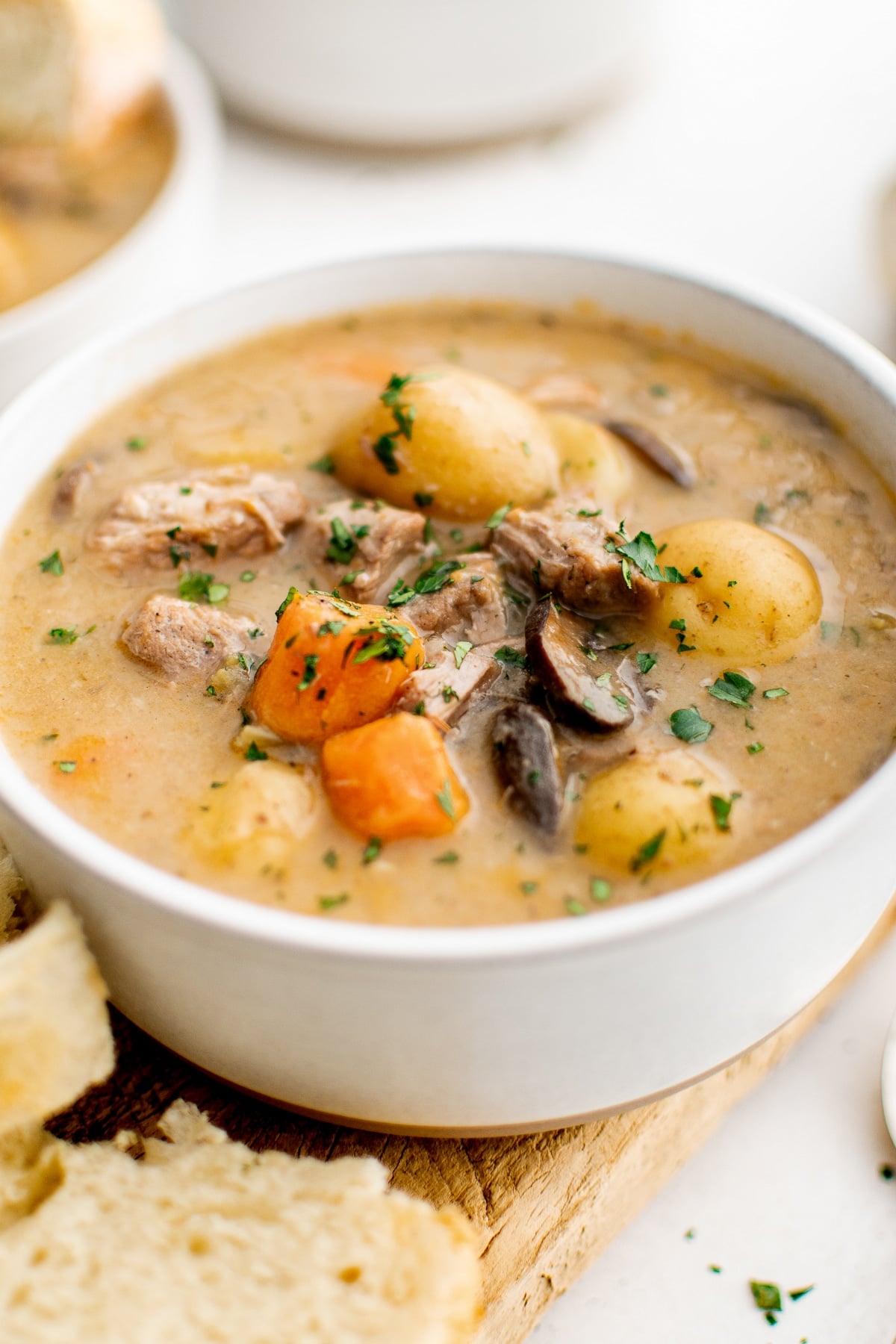
Versatile Pork Stew: A Hearty, Adaptable Meal for Any Night
In the culinary world, few dishes evoke the same sense of warmth, comfort, and deep satisfaction as a perfectly crafted pork stew. More than just a meal, it's an experience – a rustic, belly-warming embrace perfect for chilly evenings, bustling family dinners, or even a leisurely weekend repast. What truly sets a great pork stew apart, however, is its incredible versatility. It’s a dish that gracefully adapts to your pantry, your schedule, and your family's preferences, proving itself an indispensable recipe in any home cook's repertoire.
Imagine tender, melt-in-your-mouth chunks of pork, swimming in a rich, savory gravy, studded with a vibrant medley of tender vegetables. This isn't just a fantasy; it's the delicious reality of a well-made pork stew. Its adaptability means you can enjoy a different iteration every time, making it an exciting culinary journey rather than a repetitive chore. Let's delve into what makes this humble dish an undisputed champion of the dinner table.
The Art of a Delectable Pork Stew: Why it's a Weeknight Winner (and Weekend Delight)
The magic of a truly outstanding pork stew lies in its layers of flavor, built through thoughtful technique and the right combination of ingredients. It’s a dish that tastes complex but is surprisingly simple to achieve, especially when you understand the foundational steps that transform everyday ingredients into something extraordinary.
Building Flavor from the Ground Up: The Browning Imperative
The single most crucial step in creating a deeply flavorful pork stew is the browning of the pork itself. This isn't just about appearance; it's about flavor development. When pork is seared over medium-high heat, a scientific marvel known as the Maillard reaction occurs. This process creates hundreds of new flavor compounds, giving the meat a rich, nutty, and incredibly savory depth that cannot be achieved any other way. Skipping this step is akin to missing the foundation of a magnificent building – the structure simply won't be as robust.
To achieve optimal browning, ensure your Dutch oven or pot is hot enough and avoid overcrowding the pan. Work in batches if necessary, allowing each piece of pork to develop that beautiful, golden-brown crust. The fond (the browned bits left at the bottom of the pot) created during this process is a treasure trove of flavor that will be released and incorporated into your broth later. For more in-depth guidance on this crucial technique and how it elevates your dish, check out our guide: Elevate Your Pork Stew: Browning & Wine for Rich Flavor.
A Symphony of Savory Aromatics and Spices
Once your pork is beautifully browned, the next layer of flavor comes from a carefully selected cast of aromatics and spices. Sweet onions and pungent garlic form the base, softened in the residual fat, absorbing all the delicious bits from the bottom of the pot. Then come the herbs and spices – think earthy cumin, warm smoked paprika, and fragrant thyme. Fresh herbs like sage, rosemary, or parsley, added at different stages, can provide bright, herbaceous notes that lift the entire dish.
Many recipes, including some of the finest, elevate the broth with a splash of dry white wine. As it simmers, the alcohol evaporates, leaving behind a subtle acidity and complex fruit notes that perfectly complement the rich pork. A touch of Dijon mustard adds a tangy counterpoint, while tomato paste provides a concentrated umami depth, thickening and enriching the sauce. These ingredients, though seemingly small additions, collectively transform a simple broth into a luxurious, gravy-like elixir that coats every piece of pork and vegetable.
Unleashing the Versatility: Customizing Your Pork Stew
The beauty of a pork stew truly shines in its adaptability. While classic preparations are undeniably delicious, this dish invites creativity, allowing you to tailor it to your personal taste, seasonal availability, or what you simply have on hand.
The Vegetable Canvas: Root Veggies, Mushrooms, and Beyond
A pork stew is an ideal vehicle for a wide array of vegetables. Traditionalists often opt for the robust trio of carrots, potatoes (baby red or Yukon Golds are excellent choices), and parsnips, which break down to create a naturally sweet and earthy foundation. But don't stop there! Think about incorporating:
- Sweet Potatoes or Butternut Squash: For a touch of sweetness and vibrant color.
- Turnips or Rutabaga: Offering a slightly peppery, earthy flavor and hearty texture.
- Mushrooms: Cremini or shiitake mushrooms add a fantastic meaty texture and deep umami notes, becoming sponges for the rich broth.
- Leafy Greens: Stir in some kale, spinach, or Swiss chard towards the end for added nutrition and a pop of green.
- Legumes: A can of cannellini beans or chickpeas can add bulk and protein, transforming the stew into an even heartier meal.
This "use what you have" philosophy makes pork stew incredibly budget-friendly and reduces food waste. It's a testament to its inherent goodness that it tastes fantastic with whatever medley of vegetables you decide to include.
Thickening and Finishing Touches
To achieve that desirable rich, gravy-like consistency, many pork stew recipes incorporate a thickener. Flour, often tossed with the pork cubes before browning, works beautifully to create a roux-like base. Alternatively, a slurry of cornstarch and water, added towards the end of cooking, can thicken the stew to your preferred consistency without clumping. For an extra layer of complexity and brightness, a tablespoon of balsamic vinegar stirred in right before serving can elevate the entire flavor profile, adding a subtle tang and deepening the color of the broth. Finally, a sprinkle of fresh, chopped parsley not only adds a lovely visual garnish but also a burst of fresh, herbaceous flavor that cuts through the richness.
The Practicality of One-Pot Perfection
Beyond its incredible flavor and versatility, one of the most compelling reasons to embrace pork stew is its inherent simplicity. The vast majority of recipes are designed for one-pot cooking, typically in a sturdy Dutch oven or a large, heavy-bottomed pot. This means minimal cleanup – a huge win on busy weeknights or when you simply want to relax after cooking.
The beauty of the Dutch oven is its ability to conduct and retain heat evenly, ensuring the pork simmers gently for hours, transforming tough cuts into fork-tender morsels without scorching. This slow, steady cooking process allows all the flavors to meld and deepen, creating a harmonious and incredibly satisfying dish. Plus, a pork stew is one of those magical meals that often tastes even better the next day, making it perfect for meal prepping and enjoying delicious leftovers throughout the week. For more on maximizing the benefits of single-pot cooking, explore our comprehensive guide: Easy One-Pot Pork Stew: Your Ultimate Comfort Food Guide.
Essential Tips for Your Best Pork Stew Ever
While the process is straightforward, a few key tips can elevate your pork stew from good to unforgettable:
- Choose the Right Cut: Boneless pork shoulder (also known as pork butt) is ideal. Its marbling and connective tissue break down beautifully during long, slow cooking, resulting in incredibly tender and flavorful meat.
- Consistent Cubes: Cut your pork into roughly 1 ½-inch cubes. This ensures even cooking and tenderness.
- Don't Rush the Simmer: The magic of stewing happens over time. Allow your stew to simmer gently for at least 1.5 to 2 hours, or until the pork is easily pierced with a fork.
- Deglaze Properly: After browning the pork and sautéing the aromatics, deglaze the pot with a splash of wine or stock. Scrape up all those flavorful browned bits (the fond) from the bottom of the pot – they are concentrated flavor enhancers!
- Taste and Adjust: Always taste your stew before serving. Adjust seasonings like salt, pepper, or add another splash of balsamic vinegar if it needs a little brightness.
- Serving Suggestions: While crusty bread is a classic pairing, consider serving your pork stew over creamy polenta, fluffy rice, egg noodles, or even mashed potatoes to soak up every last drop of that incredible sauce.
A truly versatile and comforting dish, pork stew offers a deeply satisfying experience with minimal fuss. Its ability to adapt to various ingredients and preferences, coupled with its one-pot convenience, makes it an ideal choice for any night of the week. From the crucial step of browning the pork to the thoughtful selection of aromatics and vegetables, every element contributes to a rich, heartwarming meal that is sure to become a cherished favorite in your kitchen. So, gather your ingredients, fire up your stove, and prepare to dig into a pot of pure comfort!
