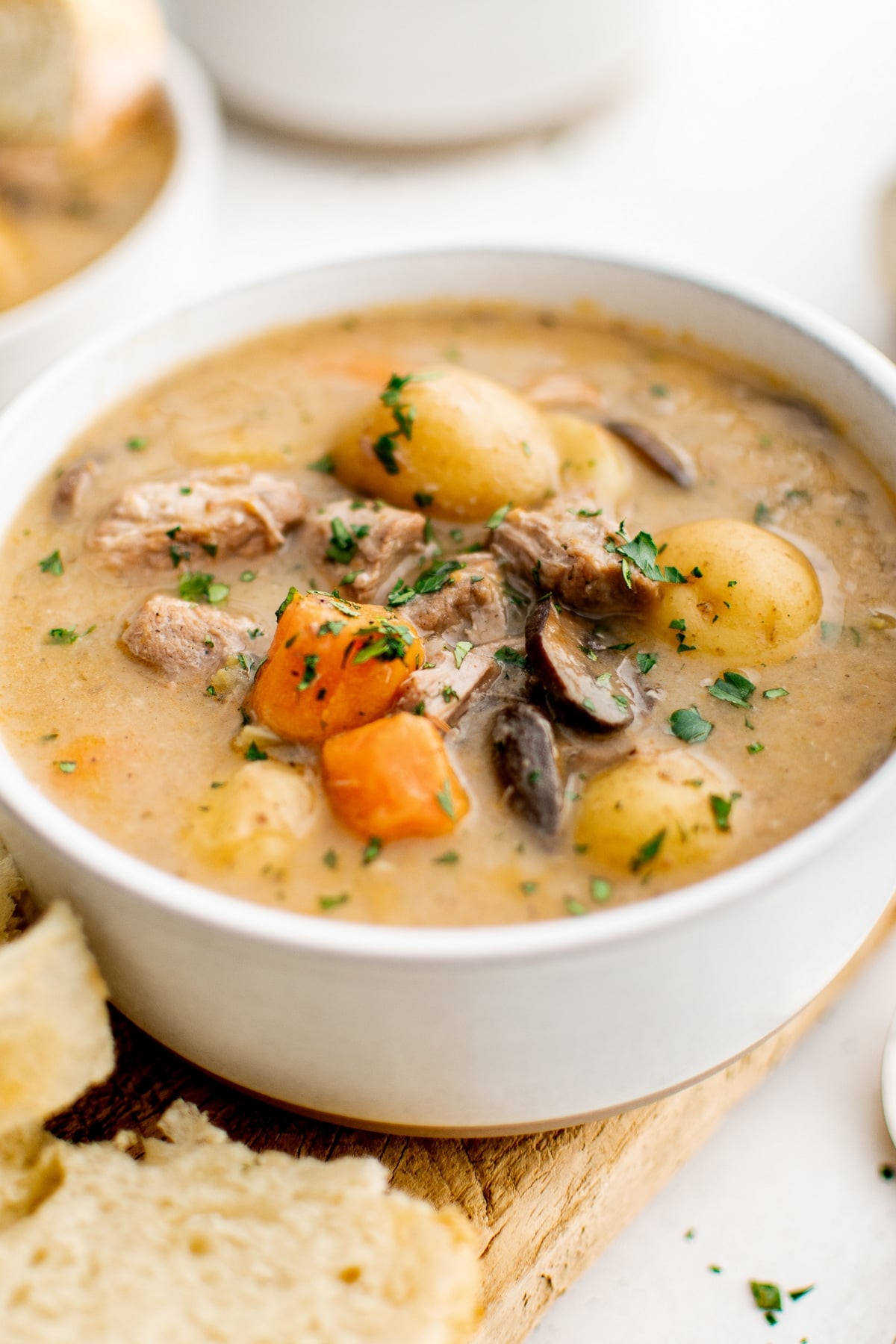
Elevate Your Pork Stew: Browning & Wine for Rich Flavor
There’s something undeniably comforting about a hearty pork stew simmering gently on the stovetop. It’s a dish that evokes warmth, satisfaction, and the promise of a truly delicious meal. While a basic
pork stew can be good, transforming it into an *insanely good* culinary masterpiece hinges on two fundamental techniques: expertly browning your pork and strategically incorporating wine. These steps aren't just details; they are the secret ingredients that build layers of profound flavor, turning a simple meal into a sophisticated dining experience that will have everyone asking for seconds.
Mastering the Maillard: Why Browning Your Pork is Non-Negotiable
The first, and arguably most crucial, step in crafting an exceptional pork stew is to brown your meat properly. This isn't just about giving the pork a nice color; it's about harnessing the power of the Maillard reaction. This complex chemical process, which occurs when amino acids and reducing sugars react at high temperatures, creates hundreds of new flavor compounds. These compounds are responsible for the rich, savory, slightly nutty, and deeply roasted notes that make browned meat so irresistible. Skipping this step means missing out on the very foundation of your stew's flavor profile.
To achieve that perfect sear, here's how to ensure your pork contributes maximum flavor:
*
Pat it Dry: Moisture is the enemy of browning. Before you even think about putting the pork in the pan, pat the cubes thoroughly dry with paper towels. Excess moisture will steam the meat instead of searing it, preventing the Maillard reaction from occurring.
*
Don't Overcrowd the Pot: Resist the urge to dump all the pork into your Dutch oven at once. Overcrowding lowers the pan's temperature and releases too much moisture, again leading to steaming. Work in batches, leaving plenty of space between the pieces.
*
High Heat, Then Medium-High: Start with a good amount of oil in a large Dutch oven over medium-high heat. Once hot, add your pork, allowing it to cook undisturbed for a few minutes until a deep, golden-brown crust forms on one side. Then, stir and continue cooking until all sides are beautifully browned.
*
Embrace the Fond: As you brown the pork, you'll notice delicious browned bits sticking to the bottom of the pot. This is called "fond," and it's pure flavor gold. Do *not* scrape it away or discard it! These flavorful morsels will be incorporated into your stew later, forming the backbone of your rich broth.
Taking the time to properly brown your pork shoulder, often cut into 1 ½-inch cubes and sometimes tossed lightly with flour, salt, and pepper, ensures that each piece of meat develops a flavorful crust. This diligent browning sets the stage for a deeply satisfying and comforting taste that defines a truly elevated
pork stew.
The Vinous Secret: How Wine Transforms Your Pork Stew
Once your pork is gloriously browned and set aside, the next critical element comes into play: dry white wine. The addition of wine isn't merely for an alcoholic kick; it serves multiple vital roles in building the sophisticated flavor profile of your stew.
*
Deglazing the Pot: This is where the magic of the "fond" comes full circle. After sautéing your aromatics (onions, garlic, herbs), pouring in the wine allows you to deglaze the pot. As the liquid heats, use a wooden spoon to scrape up all those browned bits from the bottom. These concentrated flavors, released into the wine, become an integral part of your stew's rich broth.
*
Adding Depth and Complexity: Wine introduces a subtle layer of fruity, earthy, or herbaceous notes, depending on the varietal. It adds a sophisticated dimension that water or plain stock simply can't replicate. As the alcohol cooks off, it leaves behind a more concentrated and nuanced flavor.
*
Introducing Acidity: The natural acidity in dry white wine helps to brighten the overall flavor of the stew, preventing it from becoming heavy or one-note. It cuts through the richness of the pork and other ingredients, creating balance. This acidity also contributes slightly to the tenderization of the meat during the long simmering process.
For a classic
pork stew, a dry white wine such as Sauvignon Blanc, Pinot Grigio, or an unoaked Chardonnay is ideal. Avoid sweet wines, as they can unbalance the savory profile of the stew. The goal is a rich, savory, gravy-like broth that hints at complexity without overwhelming the palate.
Beyond the Basics: Building Layers of Unforgettable Flavor
While browning and wine are paramount, a truly exceptional
pork stew is built on a symphony of carefully layered ingredients. Think of each addition as contributing to the overall harmony:
*
Aromatics and Herbs: After deglazing with wine, sautéing finely chopped onions, garlic, and fresh herbs like thyme, rosemary, or sage adds an aromatic base that permeates the entire dish. Cooking tomato paste for a minute or two until it darkens slightly also adds a crucial umami depth.
*
Spices that Sing: Spices like smoked paprika and cumin introduce warm, earthy, and slightly smoky notes that complement pork beautifully. Don't shy away from a good grind of black pepper, and consider a tiny pinch of chili flakes for subtle warmth if desired.
*
Hearty Vegetables: A
pork stew wouldn't be complete without a medley of vegetables. Carrots, parsnips, and potatoes (such as baby red potatoes or even sweet potatoes for a touch of sweetness) become wonderfully tender during the long simmer. Cremini mushrooms, as suggested in one recipe, add another layer of savory umami. For incredible versatility, feel free to toss in whatever root vegetables you have on hand, such as turnips or rutabaga.
*
The Broth: While the wine provides acidity and depth, good quality chicken stock (or even beef stock for a deeper flavor) forms the liquid base of your stew. Add bay leaves for a classic, subtle herbal note.
*
Finishing Touches: A touch of balsamic vinegar at the very end can add another bright, acidic note, much like the wine, but with a different flavor profile. Stirring in some frozen peas for the last few minutes adds freshness and a pop of color. A dollop of Dijon mustard can also contribute a pleasant tang and help thicken the broth slightly, as seen in some beloved recipes. Finally, a sprinkle of fresh parsley before serving adds a vibrant finish.
This thoughtful combination of ingredients, from the initial browning to the final garnishes, ensures every spoonful of your
versatile pork stew is bursting with flavor.
Practical Tips for a Perfect Pork Stew Experience
Crafting the perfect
pork stew isn't just about ingredients; it's also about technique and patience.
*
Choose the Right Cut: Boneless pork shoulder (also known as Boston butt) is the gold standard for stewing. It has just enough fat and connective tissue to break down beautifully during slow cooking, resulting in melt-in-your-mouth tender chunks of pork.
*
The Power of the One-Pot: Most fantastic pork stew recipes utilize a single pot or Dutch oven from start to finish. This not only simplifies cleanup but also allows all the flavors to meld seamlessly, making it an
easy one-pot pork stew for busy evenings or leisurely weekends.
*
Patience is a Virtue: Stews are not meant to be rushed. The long, slow simmer is what allows the pork to become tender and the flavors to fully develop and marry. Resist the urge to crank up the heat and speed things along.
*
Even Better Leftover: One of the best qualities of a great pork stew is that it often tastes even better the next day. The flavors continue to meld and deepen as it rests, making it a perfect make-ahead meal.
*
Serving Suggestions: A rustic pork stew demands a robust accompaniment. Serve it with crusty bread for soaking up every last drop of the rich, gravy-like broth. Mashed potatoes, polenta, or even plain rice are also excellent choices to complement the hearty nature of the dish.
Conclusion
Elevating your
pork stew from good to unforgettable is within your reach. By understanding and meticulously executing the techniques of browning your pork and incorporating dry white wine, you unlock profound depths of flavor that define truly exceptional comfort food. Add to this a thoughtful layering of aromatics, spices, and vegetables, and you'll create a meal that is both deeply satisfying and surprisingly sophisticated. So, the next time you're craving a hearty, warming dish, remember these essential steps and prepare to dig into a pork stew that will truly sing on your palate.